REPLAY - Acting On Feedback - MAC074


As we wrap up the year and head into the holiday season, many of you are taking a well‑deserved break—stepping back, recharging, and hopefully celebrating everything you’ve accomplished over the past twelve months. I’m doing the same. And even though I’m pausing new episodes for a bit, I still want to leave you with something meaningful to support your growth during this important stretch of the year.
Because for a lot of professionals, the end of the year isn’t just about holidays and downtime. It’s also the season of annual reviews, performance conversations, and honest career reflection. It’s the moment when you’re asked to look back at what you’ve delivered, look ahead at where you want to go, and—most importantly—absorb the feedback that will help you get there.
That’s why today, I’m bringing back a practical and timely episode: Episode 74 – Acting on Feedback.
Feedback only becomes valuable when you actually do something with it. Whether your annual review left you energized or a little disappointed, the key to making next year better is the same: take the feedback you’ve received, understand it, and turn it into action.
And that’s exactly what Episode 74 focuses on. This episode digs into the part of the process most people struggle with—not receiving feedback, but interpreting it, prioritizing it, and translating it into meaningful, targeted steps. Because here’s the truth: feedback is almost never as simple as the words someone says out loud. There’s always context, nuance, and intent behind it, and understanding that is what unlocks real growth.
I hope you enjoy revisiting Episode 74, and I hope it gives you clarity and confidence as you step into the new year. When I’m back from the holiday break, we’ll dive into fresh topics, new strategies, and more tools to help you manage and accelerate your career.
In Episode 12, I discussed some strategies for soliciting effective feedback (https://www.managingacareer.com/12). However, feedback is only as good as what you do with it. This week, I'm going to take a look at how you can best act on the feedback that you receive.
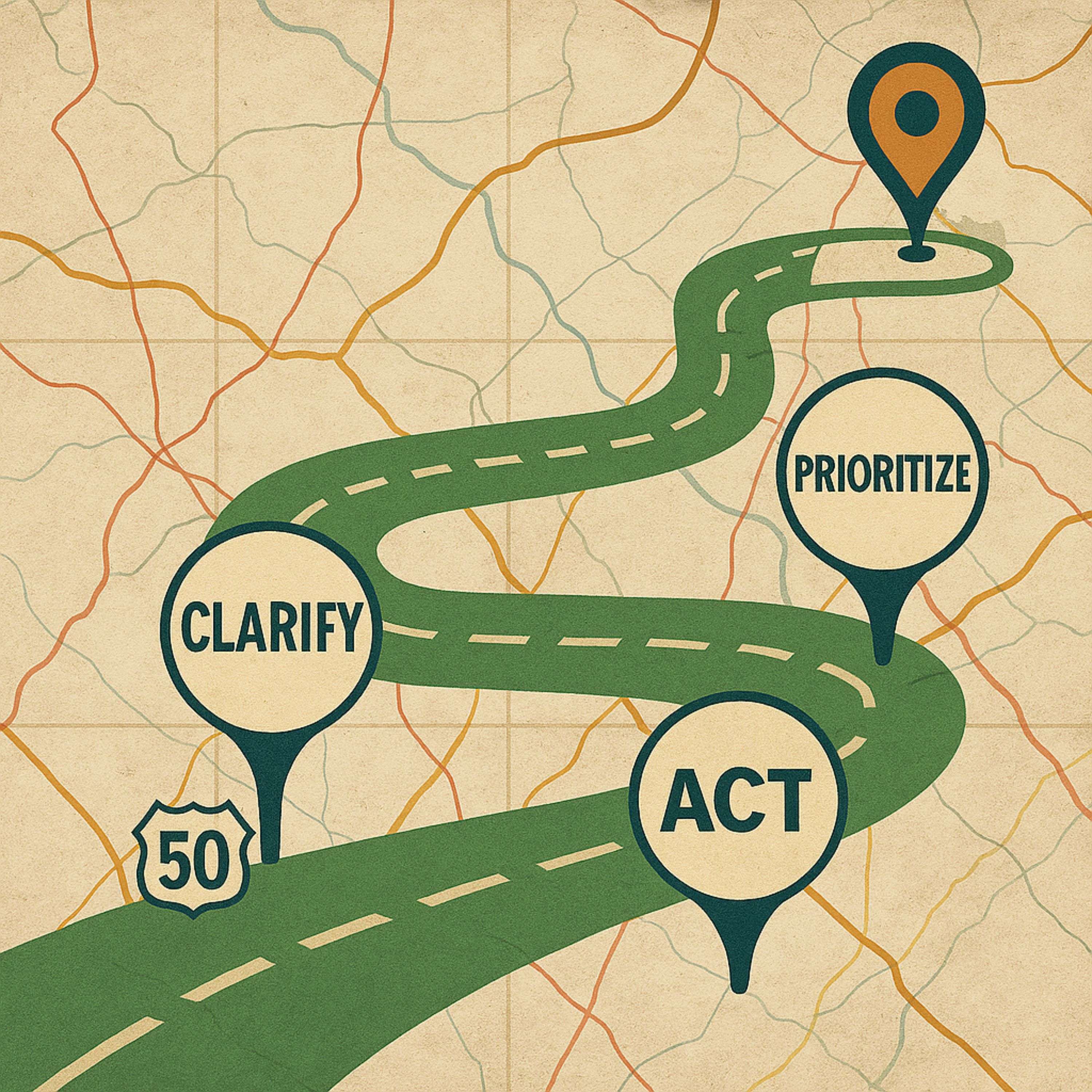
The first step in acting on feedback is understanding what is driving the comment. In the previous episode, I suggested that when receiving feedback, you should ask clarifying questions along the lines of "Can you explain that in more detail?" or "Tell me more." The goal with this clarification is to turn high-level, generic comments into something more specific.
If you receive feedback that you need to "improve your communication skills", there could be several underlying causes and each one would be addressed differently. If the source of the feedback is because you don't provide regular updates or hold back on negative news, you may need create a weekly report that you send to your superiors; you can hear more by reviewing Episode 44 (https://www.managingacareer.com/44). However, if the source of the feedback is based on recent presentations, you may need to practice presenting more so that you become more comfortable or you might need to work on the content of your presentations (see Episode 56 - Presenting to Leaders https://www.managingacareer.com/56). Without knowing the underlying reasoning for the specific comment, you may not work on correcting the right behaviors.
If you've received feedback, but are unable to coax additional details about what they mean, the next approach you can take is to reach out to other people that can comment on the same topic. Continuing on the example above, if the feedback you received is about your communication skills, reach out to those that you have presented to or that you regularly provide status to. Ask each of them specifically about the area in question. Look for patterns in the feedback they provide and use that insight to target your improvement.
As you consider the different elements of feedback that you have received, how does that feedback align with your career trajectory as well as your personal career goals? Prioritize anything that advances you over things that apply to your current level. If you've created your IDP, these items should be represented on your Assessment and Next Role sections. Review Episodes 36 through 40 for details on your IDP (https://www.managingacareer.com/36) and if you need an IDP template, drop me a note requesting one via the Contact form on the ManagingACareer.com website (https://www.managingacareer.com/contact/).
Now that you have a list of feedback to address, talk with your mentor or coach and develop an action plan. They can help you identify training and activities that will help you develop the skills that you need. Be sure to define goals and deadlines to ensure that you put appropriate focus on addressing the feedback. Episode 47 covered some goal setting frameworks that you may find useful here (https://www.managingacareer.com/47).
As you reach the identified milestones, update your IDP and discuss your progress with your leader and anyone who participated in giving you feedback. Request updated feedback based on your progress.
A career coach can help you identify activities to address feedback. If you need a career coach, reach out to me via the Contact Form at ManagingACareer.com (https://www.managingacareer.com/contact/). I'll schedule an introductory session where we can talk about your career goals and determine if we would be a good fit for coaching. If we are, we can arrange regular sessions to help you put your career on the fast track to advancement.
TAKE THE SURVEY!
Are you looking for a career coach? If you reach out to me via the contact form, I will arrange an introductory session where we can talk about your career goals and how I can help. If we're a good fit, we can schedule regular coaching sessions.


