Handling a Disappointing Review - MAC135
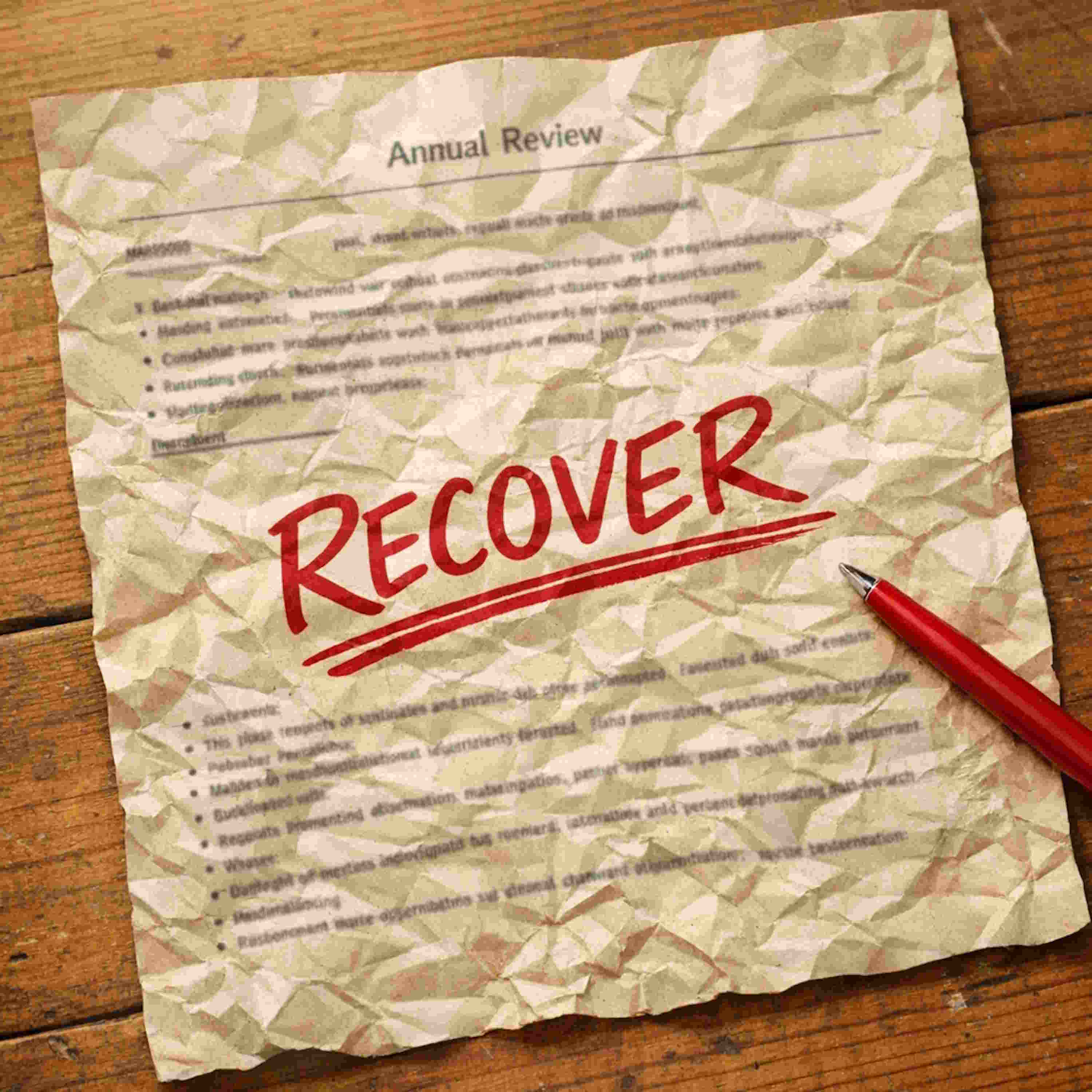







When the Review Hurts: How to Bounce Back Stronger
If you're listening to this episode right now, there's a decent chance you just got out of a performance review that didn't go the way you expected. Maybe it stung. Maybe it flat-out blindsided you. Maybe you're sitting in your car in the parking garage, staring at the steering wheel, trying to figure out what just happened.
If that's you — first of all, I'm really glad you're here. And second of all — take a breath. This is not the end of your story.
Welcome to the show. I'm Layne Robinson, and today we're diving into something most career podcasts dance around — what to actually do when your annual review is a disappointment. Not a vague feel-good pep talk. The real, tactical, emotionally honest breakdown of how to handle the next twenty-four hours, the next few weeks, and the actions that will actually move the needle.
Four things today: why this is not a career ender, how to survive the review in real time, how to give yourself space before responding, and how to channel this into concrete changes in your behavior, your attitude, and your visibility at work.
This Is Not a Career Ender — But Recovery Starts Now
A bad performance review is not a death sentence. It is not a permanent verdict on your worth, your intelligence, or your future. It is a data point. A painful one, maybe an unfair one — but it is one moment in what is hopefully a very long career.
Think about the people you admire most in your field. I promise you — a significant number of them have a review story that would make yours look mild. People get put on performance improvement plans and go on to run departments. People get passed over for promotion three years running and then get recruited away for twice the salary. People get brutal feedback and use it as the exact fuel they needed to become exceptional.
The review is not the story. How you respond to it is the story.
"Your manager's words in that room don't define your ceiling. Your next move does."
Now — here's the straight talk. While this is not a career ender, it can become one if you handle it badly. Blowing up at your manager. Withdrawing. Badmouthing your boss to coworkers. Doing the bare minimum out of spite. Those things can actually derail you.
You have enormous agency here. But that means the recovery starts now. Not next quarter. Not after the sting wears off. Now. Even if "now" just means deciding, in this moment, to handle this with intention. That decision alone puts you ahead of most people.
How to (Not) Respond While the Review Is Happening
Let's talk about the review itself. Some of you are listening before your review — smart. Some of you are listening after. Either way, this section matters, because if this one goes sideways, there will be future conversations. The habits we build under stress are the ones that stick.
Here's the scenario. You're sitting across from your manager. They say something that lands wrong — unfair, devastating, or both. Your face flushes. Your heart rate spikes.
What do you do?
First — do not speak. Not yet. The instinct is to react immediately, and almost nothing good comes from that. Give yourself three to five seconds of quiet. It feels like an eternity. It is not. Those seconds can protect you from saying something you'll spend months undoing.
Second — take a breath. Your nervous system is in fight-or-flight. A slow exhale literally signals your brain to stand down. You are not going to do your best thinking while your amygdala is running the show. The breath is not weakness — it's strategy.
Third — listen to understand, not to respond. When someone says something critical, our brain starts drafting a rebuttal before they've finished talking. Try to override that. Your goal in the review is to gather information, not to win an argument.
What Not to Do
"Do not defend, deflect, or diminish what's being said in the moment — even if it feels completely unjust."
Now, let's talk about what NOT to do — because this is where careers actually take damage.
Do not argue. Even if you have facts on your side. The middle of a performance review, emotions running hot, is not the place to litigate it. You will not change your manager's mind in that moment, and you'll almost certainly say something you regret. Save your counterpoints for a calmer conversation.
Do not cry and then over-apologize for crying. Emotion is human. If tears come, let them — and simply say, "I'm processing this, please give me a moment." What you don't want is a spiral of reaction and self-flagellation that undermines your credibility in the room.
Do not immediately agree to everything just to end the discomfort. Nodding along and signing the form as fast as possible isn't agreement — it's avoidance. It won't serve you later.
And do not go silent and stony. Shutting down sends its own message. You want to signal that you're engaged and taking this seriously, even if you're struggling with it.
What you can say, calmly and neutrally, while in the room: "Thank you for this feedback. I want to make sure I understand everything clearly. Can I follow up with you after I've had some time to review this?" That's it. That's the whole script if you need it. It's professional. It's composed. It buys you exactly what you need — time.
Give It Space — Before You Respond
You made it out of the room. Now you do something that goes against every instinct you have: you wait.
You want to send an email. Pull your manager aside in the hallway. Call someone and process for forty-five minutes. But here is the truth about responding too fast: when you're emotionally activated, you are not the same person you are when you're calm. The email you write at four in the afternoon on the day of your review and the email you write three days later are written by two different versions of you. One serves your future. The other creates a paper trail you don't want.
So in that twenty-four to seventy-two hour window — feel it first. Call your most trusted person and say, "I had a rough review and I need to vent." Do that. Get it out somewhere safe and private, not your workplace Slack or your manager's inbox.
Then try to separate the emotional experience of the review from the actual content. Read it again and ask: if a friend received this feedback, what would I honestly think? Sometimes the distance makes it feel more fair. Sometimes more off-base. Either way, clarity comes from space, not heat.
Sleep on it. There's real research showing the brain processes emotionally difficult information differently after sleep. What feels catastrophic at eight p.m. often feels navigable by eight a.m.
The Rule
"Never send a response to a difficult review the same day it was delivered. The message you draft at midnight is not the one you should send."
When you're actually ready to respond, here's the tone: calm, curious, constructive. Not groveling. Not defensive. Not sarcastic. You're a professional who took time to reflect and is ready to talk about what's next.
Something like: "I've had some time to sit with the feedback from my review, and I'd love to schedule time to talk. I have a few questions about the specific areas flagged, and I want to understand what success looks like going forward."
That's it. Calm. Professional. And it signals something important to your manager: this person is not going to be a problem. That impression alone can undo a lot of the damage from the review itself.
Respond by Adjusting — Actions, Behaviors, and Attitude
This is where we stop talking about feelings and start talking about strategy. Because all the composure in the world doesn't mean anything if nothing changes.
The most powerful response to a bad performance review is not a strongly worded email. It is different behavior over the next sixty to ninety days. Your manager is going to be watching. People who wilt after hard feedback are remembered as fragile. People who quietly, consistently show up differently — those people get their narrative rewritten. That rewrite is available to you. Starting now.
Start with the specific feedback, not your feelings about it. Go back to the review. Identify the two or three most concrete criticisms. Not the vague ones — "needs to show more initiative" is hard to act on. But "missed three project deadlines in Q3" or "hasn't been contributing in team meetings" — those are specific, and specific is actionable. Those are the ones you tackle first.
Make a private plan — in writing. Something like: here's what the feedback said, here's what I think is actually going on, and here's exactly what I'm going to do differently. Not vague intentions. Specific behaviors. If the feedback was about deadlines, your plan might include: I will put buffer time in my project estimates, I will flag scope creep earlier, I will do a weekly check-in against my deliverables. Specific. Measurable. Yours.
Talk to your manager — proactively. I know this feels uncomfortable. But there is almost nothing more powerful you can do than walk into your manager's office, genuinely composed, and say: "I want to make sure I'm focusing my energy in the right places. Based on my review, what would meaningful improvement look like to you over the next quarter?" You are asking for the rubric. You are showing you're coachable. And you are making them a partner in your success rather than an adversary in your narrative.
Address the attitude piece honestly. This one is hard to hear, so I'm going to say it carefully. Sometimes — not always, but sometimes — a disappointing review has less to do with performance and more to do with how we're showing up in the room. The sighing in meetings. The eye-rolls that we think nobody notices. The "well, that's not my job" energy. The checked-out body language on a Zoom call. If any of that resonates even a little, I want to be the person who tells you that those things are visible. They are factoring into how people experience working with you. And they are — hear me on this — completely within your power to change.
The Mindset Shift
"Resilience isn't pretending the review didn't hurt. It's deciding that the hurt becomes fuel, not baggage."
Find an ally or a mentor. If you don't have one, this is the moment to build that relationship. Find someone in your organization — or outside it — who has navigated something similar, who sees you clearly, and who can give you honest feedback in a safe setting. Not to commiserate. To grow. There's a difference.
Track your progress and make it visible. When you improve, document it — quietly and consistently. Update your manager on wins. Be specific. "That project I had trouble with last quarter — just delivered it a week ahead of schedule." You are creating a new data set, replacing the story of the old review with evidence of the new you.
And finally — be patient and stay the course. Behavioral change doesn't happen in a week. You will slip back into old patterns sometimes. That's normal. The goal isn't perfection — it's the trend line. Are you generally moving in the right direction? That's enough. Keep going.
A disappointing annual review is hard. It can shake your confidence and make you question everything. Those feelings are real and they deserve acknowledgment.
But here's what I want you to walk away with: you are not the rating on a form. You are not the worst thing your manager said about you. You are a professional who is capable of growth, capable of recalibrating, and — if you choose it — capable of turning this into a turning point.
Don't react in the room. Give it space. Come back calm. And let your work do the talking.
The recovery starts now. And now is exactly the right time.
If this episode helped, share it with someone who might need to hear it. This kind of content grows when people pass it along, and I'm grateful for every person who does.
Until next time — keep going. I'll see you in the next one.
TAKE THE SURVEY!
Are you looking for a career coach? If you reach out to me via the contact form, I will arrange an introductory session where we can talk about your career goals and how I can help. If we're a good fit, we can schedule regular coaching sessions.